When Keenan got back into a truck at Tri-Area Trucking School in Benton Harbor, he wanted to know how much he still remembered. Several years had passed since his last driving job, and he’d spent some of that time wondering whether he would ever work behind the wheel again. Then he started shifting. The truck had plenty of miles on it, but the gears moved so smoothly that it felt almost brand-new. Keenan described it as “singing with the gearshift.” After hearing from others that driving would come back to him, he finally had a chance to feel it for himself.
Keenan had spent years in the trucking industry before he ever climbed into a cab. As a dispatcher in Gary, Indiana, he worked with around 65 drivers and coordinated deliveries that had to arrive in a specific order. If a truck broke down, he had to find someone to cover the next load and figure out what that meant for the rest of the schedule. He earned his commercial driver’s license (CDL) in 2018 and spent the next couple of years seeing what those same decisions looked like from the driver’s seat.
After spending three and a half years in prison, Keenan wanted to return to trucking. He worried about how employers would view his background and the gap in his driving experience. He also had a question he wanted to answer for himself. Would he feel comfortable taking responsibility for a truck and a load again? With help from his parole officer and a workforce contact, he found his way to Tri-Area Trucking School, where he could practice behind the wheel and revisit material he hadn’t studied since he first earned his CDL.
Today, Keenan drives for Velox, a Grand Rapids-based company, and takes loads across the Midwest and eastern United States. He enjoys the independence and the work that goes into planning each trip, especially when he’s delivering somewhere unfamiliar. He also knows what it feels like when a plan falls apart. One detour near Kansas City took him past three bridges with too little clearance and left him looking for a place to turn around with cars behind him. The experience helped him put into words the advice he most wants to share with new drivers.
In our interview, Keenan talked about the years he spent in dispatch, why he chose to train again, what it took to find a company willing to hire him, and how he’s building a life around the work he came back to.
What were you doing before you became a truck driver? I’m a musician and a songwriter, and I also worked in dispatch in Gary, Indiana, for about six years. I worked with around 65 drivers. When you work with that many people, you start to remember what everybody wants to do and what they’d rather avoid. That matters when you’re trying to plan a schedule. It matters even more when someone breaks down and you have to figure out who can cover the next load. Some of the materials we handled had to get to the plant in a particular order. If the deliveries got out of sequence, the plant could shut down. When a truck broke down, I had to think about the load it was carrying and what was supposed to go out next. Who could take it? What else would have to move around? I was good at keeping track of those things and finding a way to keep the deliveries going. After I left dispatch, I applied to Swift. They paid for my room and board while I trained to get my CDL. I’d spent years talking with drivers about their work, and I was finally going to find out what it felt like to be the person taking the load.
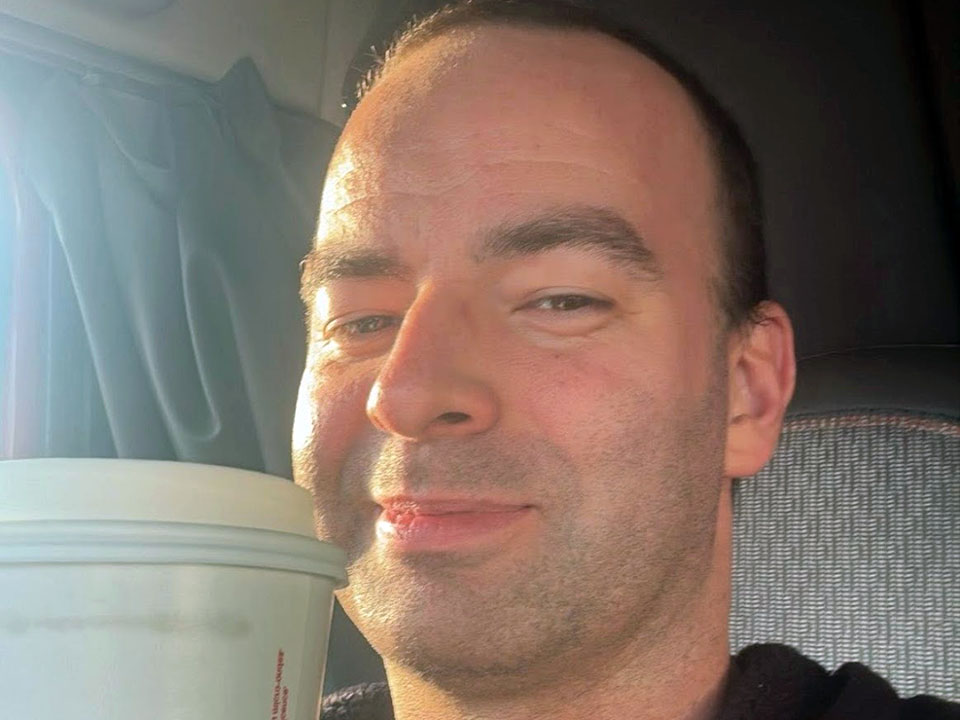
What do you remember about those first days behind the wheel? I used to describe it as being thrown into the forest with a pocketknife and a Q-tip. You’re driving an 18-wheeler, and things come up that you’ve never had to handle before. When I was new, I felt like I couldn’t live without the truck GPS. If it started acting up, I’d freak out. I hadn’t built up enough experience yet to feel comfortable figuring out what to do next. Learning to manage that feeling took time. I could learn how to operate a truck, but I still had to get used to making decisions when I was nervous or when something unexpected happened. The more time I spent driving, the more situations I’d already seen before. Now, if I need to take another route or figure out where I’m going, I’m more comfortable looking at the options and making a decision.
How did your experience in dispatch help once you became a driver? I’d heard both sides of a lot of conversations by then. I knew what a dispatcher had to think about when they were trying to get a load covered, and I was learning what it was like to be the person doing the driving. When a truck breaks down, the dispatcher has a schedule to rearrange. The driver is out there dealing with the truck and whatever happened. Having done both jobs, I understand why those situations can feel different depending on where you’re sitting. One of the relationships I’d built in dispatch helped me get my next driving job. There was a carrier I used to call to cover loads. I called them and said, “Hey, I got my CDL. Would you like me to come work for you guys this time?” They told me to come in and fill out an application. They were willing to hire me and got me back on the road pretty quickly.
Did the kind of driving work you wanted change over time? It did when my family situation changed. Around the time COVID hit, my wife came up from Honduras, and we had a child. She wanted me to be home more, so I started looking for a driving job that would let me do that. I did find a day job, but it didn’t pay as well. I had to think about what I needed to earn and how much time I wanted to spend at home. That’s one of the things you have to figure out when you’re looking at driving jobs. At that point, I was looking for a schedule that worked for my family. These days, I spend more time out in the truck, and that works with what I’m trying to do now.
When you came home, did you already know you wanted to go back to trucking? I knew I could drive, but I wasn’t sure how I was going to get back to doing it for work. I worried about whether I’d be judged for my background. People told me they thought I’d be able to get back into trucking. I appreciated hearing that, but I still had to find out what would happen when I went looking for a job. While I was in prison, I’d hoped to finish welding training. The instructor was retiring, and they couldn’t find someone in time for me to finish. I’d also planned to go back to Indiana, where my parents lived, but that didn’t work out. I remember thinking, What am I going to do now? I already had some experience in trucking, so I started looking at what it would take to get behind the wheel again.
What made you decide to return to school when you already had driving experience? My dad told me, “You know how to do it. You know how to drive.” He figured I could get in a truck and it would come back to me. I understood why he said that. I’d already driven commercially from 2018 to 2020. But I’ve always had some trouble with confidence, and I didn’t feel comfortable going straight from being away for that long to taking a truck out on a job. I wanted time to practice and see what I remembered. There were parts of the work I still felt good about, like keeping logs and understanding the basics of the truck. I wanted to know how I’d feel when I sat down and started driving again. Going back to school gave me a place to do that before I had a load and a delivery time to think about.
How did you connect with Tri-Area Trucking School in Benton Harbor? My parole officer and a workforce contact helped point me toward the school. Then I had to figure out how to pay for training. I remember speaking with someone at Ross who told me there was a financing option. I hadn’t realized that was available for trucking. Hearing that made a big difference because I could see a way to get started. I went to the Benton Harbor location. By then, I knew the thing I wanted most was time behind the wheel. I felt pretty comfortable with the truck theory I remembered, including logs and what you’re supposed to do when you run out of driving hours. I wanted to spend time getting comfortable with the truck again and see where I needed to brush up.
What stood out about working with the instructors at Benton Harbor? They were open-minded about what I needed. I’d been to truck driving school before and had experience on the road, so I was able to focus on driving again. There were still things to go over. Some of the inspection material was presented differently from how I remembered it in 2018. I went over some of it online with the instructor in Benton Harbor, and it helped me get used to how the material was explained and what I was being asked. They also worked with me when I needed written confirmation that I was attending. I appreciated their willingness to help with that. I had a few things to sort out while I was getting back into driving, and that was one more thing I could take care of while I was there.
Do you remember a moment in training when you felt more like yourself behind the wheel? Shifting was a big one. I was singing with the gearshift. I didn’t grind the gears. The truck had a lot of miles on it, but I got it shifting so smoothly that it felt brand-new. I remember how good that felt after being away for so long. Before I went back to school, I could remember what it was like to drive. Sitting there and feeling the truck respond the way I wanted it to was different. That was one of the things I wanted to find out for myself. I could feel that I still knew how to do it, and I was glad I’d given myself the chance to get back in the seat.
What was the biggest hurdle when you started looking for a driving job again? I’d spent a lot of time wondering how companies would see my background. One of the biggest hurdles I actually ran into was the gap in my driving experience. Some companies wanted to see that I’d driven more recently. I knew I could do the job, and I’d just spent time getting comfortable behind the wheel again. I still needed an employer willing to give me a chance to show what I could do. Someone referred me to Velox out of Grand Rapids, and they were willing to hire me. I’d been trying to get back into the work for a while, so that meant a lot. Now I drive mostly in the Midwest and out east. I run through Michigan and take loads to places like North Carolina and New York.
What do you enjoy most about being on the road? I like the independence. I’ve worked in an office, and I know what that kind of stress feels like. When I’m driving, I can put my attention on the job I’m doing that day. I talk to my dispatcher, and I have stretches of time when I can focus on getting the load where it needs to go. I also like figuring out how to get somewhere. Before I leave, I look at the receiver and how I’m going to get there. I want to know which roads I can take and what the approach to the delivery is going to look like. If it’s a place I haven’t been before, that’s the part that keeps me on my toes. You can know the general direction you’re headed and still have a lot to figure out about the last part of the trip.
What happens to your schedule when you get stuck in traffic? Traffic is probably the hardest part of the job for me. A delay can affect the delivery you’re working on and the way you plan to run the next day. You might drive 400 miles and still end up short of where you expected to be. Then you have to look at what you have coming up and figure out how that lost time is going to affect the next trip. When I see a delay ahead, I think about whether it makes sense to wait or go around it. A detour might look quicker on a map, but I have to look at where it takes me. Can I use those roads? How much longer is it going to take in a truck? Sometimes going around costs more time than sitting in traffic. It depends on where you are and what roads are available to you.
Can you share a time when a detour taught you something about your own judgment? I was near Kansas City, and the interstate was shut down. I saw another road and thought, I can take that. I’ve got this. Then I came up to a bridge with too little clearance. I went another way and got to a second one. By the time I reached the third low bridge, I knew I had to turn around. There were cars behind me, so I could feel the pressure while I was trying to figure out where I had room. I remember being embarrassed because I knew people could see I’d made a mistake. I’d been too sure about the road I picked. But I took a minute to look around, and I saw a place where the road widened and I had room to turn. I was able to get headed back the other way. What felt good afterward was knowing I could handle the pressure. I’d made a decision that got me into a tight spot, and then I had to figure out what to do about it. I stayed calm, looked at what was around me, and got turned around. That’s something I’m proud of.
What’s the most important advice you’d give every new truck driver? Learn what your truck can and can’t do. That’s the best advice I can give a new driver. Know how much room you need to turn. Pay attention to bridge clearances. Look at the roads you’ll be taking and find out whether trucks can use them. A road that works for somebody in a car might leave you with nowhere to go in a semi. When in doubt, look for the no-truck signs. If the road looks too narrow, keep going and find another way. With experience, you start to see those things earlier. You’ll look at a street and realize right away that it’s going to be too tight. The more you understand about the truck you’re driving, the earlier you can make that call.
What should someone know about living in a truck before taking a job that keeps them on the road? It’s a whole different way of life. It takes some people longer than others to get used to it. I like having the time to myself, but I still get burned out sometimes. There are days when you’ve been driving for hours, you’re behind because of traffic, and you already know tomorrow is going to take some rearranging. That’s part of what you have to get used to. For me, there’s a financial benefit to it. Living in the truck has helped me keep some personal expenses down. A car payment and gas for a personal vehicle can add up. Having fewer of those expenses gives me room to save more. I have plans for what I want to do when I’m done driving, and I can see how the work I’m doing now helps me get there.
How has your outlook changed since coming home? I try to listen more and let people finish what they’re saying. Sometimes it’s easy to hear the first part of what somebody says and decide how you feel about it before they’re done. I’ve gotten better at taking it in and thinking about what they actually mean. Maybe there’s something they’re trying to tell me that I would have missed if I jumped in. I’ve also gotten a better sense of how much it matters to have somebody check in on you. My girlfriend will ask if I had breakfast. Then she’ll ask what I had because she wants to know if I’m eating well. She tells me to drive safe. They’re small things, but when you’re in the truck and somebody takes the time to ask how you’re doing, it can change how your day feels.
What are you looking forward to in this next chapter? I want to keep driving and put as much money aside as I can. My girlfriend lives in Nigeria, and I’m looking forward to visiting her. We’ve talked about having a house there someday and about me moving there when I retire. In the meantime, I’d like to visit when I can and keep working toward that plan. It helps to have something specific in mind. We’ve talked about what we want life to look like down the road, so when I think about saving, I know what I’m saving for. I’m looking forward to spending time together and seeing where those plans take us.
What would you like someone who’s trying to get back on their feet to take away from your story? Even if you fail, there will be somebody out there that will help you get back on your feet. You just got to find them.
For Keenan, getting back on his feet involved several people at different points. His parole officer and a workforce contact helped him find the school, an instructor helped him brush up on material he hadn’t seen in years, and a company in Grand Rapids gave him a chance to work again. He also gave himself time to practice when he knew he needed it. Now, when Keenan plans a delivery or talks about what he wants to do after retirement, he’s making decisions from a position he once wondered if he’d get back to. And when a new driver asks what to learn first, he has an answer drawn from his own time behind the wheel. Get to know your truck well enough to understand what it can do, and pay attention early enough to recognize when you need another way through.