Career paths are not always built in a straight line. For Jeremiah Stratton, years spent traveling the world as a professional musician eventually led him to a new opportunity behind the wheel.
After more than 16 years touring as a drummer and vocalist with the band Hed PE, Jeremiah decided to take the next step in his career by pursuing his CDL and combining his passion for the entertainment industry with professional driving. Through hard work, determination, and the training he received at Tri-Area Trucking School’s Freeland campus, Jeremiah was able to turn his goal of becoming an entertainment motor coach driver into a reality.
Today, Jeremiah travels across the United States driving professional motor coaches for artists and production teams. His journey is a reminder that it is never too late to start a new chapter, overcome challenges, and pursue a career that aligns with your passions.
We sat down with Jeremiah and had the opportunity to hear his story, his experience at Tri-Area Trucking School, and the lessons he learned along the way.
Here is what he had to say.
Tell us a little about yourself and your background? I am originally from Orange County, California. I was born and raised in San Clemente, California, before eventually making my way to Michigan. I moved to Michigan in 2018 and have been living in the Gladwin area ever since. Before settling in Michigan, I also spent time living in other parts of the Midwest, including Cleveland, Ohio and Kokomo, Indiana, while trying to find the place that felt right for me. A major part of my life has always revolved around music. I spent 16 years touring around the world as a musician with the band Hed PE. I joined the band in 2008 and continued with them until 2024. During that time, I also worked with other projects, including Mushroomhead and American Head Charge. I played multiple instruments, but drumming was always my main focus and the career that allowed me to travel and perform professionally. Being a touring musician taught me a lot about discipline, commitment, and adapting to new situations. Spending years on the road also helped prepare me for my career in trucking because there are many similarities between touring and driving professionally. You have to be organized, flexible, dependable, and comfortable being away from home.
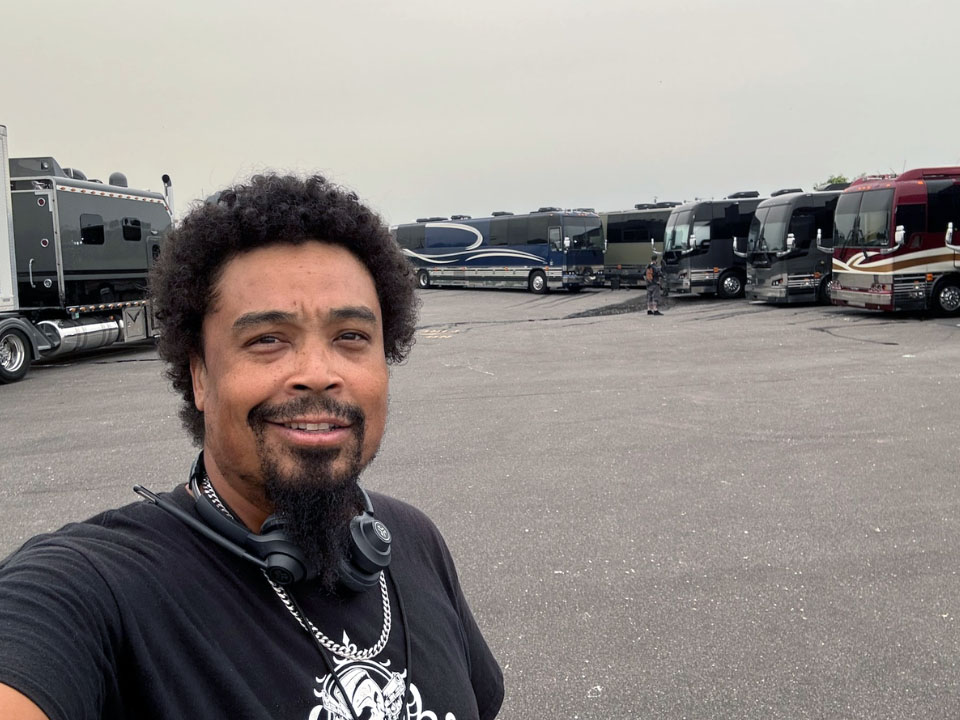
You spent many years as a touring musician. What was that experience like, and how did it eventually connect with your career in trucking? My music career actually played a huge role in leading me toward trucking. While touring with Hed PE, we eventually moved from leasing motor coaches to owning our own rig. That was when I started driving larger vehicles and gaining experience behind the wheel. I was driving full-size motor coaches, including Eagle motor coaches and Prevost motor coaches, while pulling trailers filled with band equipment and merchandise. At the time, I was not technically a professional truck driver, but I was already getting exposure to what it was like operating large vehicles. That experience sparked my interest. I started noticing how important the drivers were on tours and how much responsibility they had. They were responsible for safely transporting everyone, managing the vehicle, and making sure everything ran smoothly. I also noticed that the drivers were often some of the highest-paid people on the tour, which definitely caught my attention. The biggest thing was that I already loved the lifestyle. I was comfortable traveling, being on the road, and working in the entertainment environment. When I decided to leave music, getting my CDL felt like the perfect way to stay connected to the industry while building a new career. My goal was always to eventually return to the entertainment world, just from a different position. Instead of being on stage, I wanted to help make the tours happen from behind the wheel.
What inspired you to finally pursue your CDL? When I decided to leave music in 2024, I knew I wanted to create a new career path, but I also knew I wanted it to connect with the industry I already understood. Entertainment was where I had spent most of my adult life, and becoming an entertainment motor coach driver allowed me to combine my past experience with a new skill. Before I could do that, though, I needed my CDL. The process required patience and determination. One of the first steps was going back and earning my GED because I had left high school before graduating. After that, I had to go through the process of receiving funding through the state for my CDL training. That process took several months because I was placed on a waiting list, but eventually everything came together. Once I had the opportunity to attend Tri-Area Trucking School, I knew I had to take advantage of it. I had a very specific goal in mind, and I was willing to put in the work to make it happen.
What was it like returning to school after being away from the classroom for so many years? Returning to school after being away for so long was definitely a different experience, but I think having a clear purpose made a big difference. I knew exactly why I was there, and I knew what I wanted to accomplish. One thing I learned throughout the process is that you have to be willing to come in with an open mind. Even though I had previous experience driving larger vehicles through touring, there was still a lot I needed to learn about professional commercial driving. Driving a motor coach as part of a touring environment is very different from being a CDL driver. There are regulations, inspection procedures, safety requirements, and specific ways things need to be done. Tri-Area helped me understand those details and gave me the foundation I needed to become a safe and confident driver.
What was your overall experience like at Tri-Area Trucking School? My experience at Tri-Area was great. The program was very thorough, and I felt like they really prepared me for the real world. The structure of the program made a lot of sense. You start with the classroom portion where you learn the information you need to know, ask questions, and build that foundation. Then you move into the hands-on portion where you apply everything behind the wheel. One thing that stood out to me was how knowledgeable the instructors were. I had the opportunity to work with several different instructors while I was there, and every single one brought something valuable to the program. Each instructor had their own experiences and teaching style, but the information was consistent. Everyone knew what they were talking about, and everyone was focused on making sure students were prepared. A lot of these instructors had years of professional trucking experience themselves, which made a difference. They were not just teaching from a textbook. They were sharing real-world knowledge that they had gained from being on the road. By the time I took my test, I felt confident. I ended up scoring a 100 on my test, and I truly believe that came from how detailed and complete the program was.
How did you prepare for your CDL test and what helped you succeed? One thing that really helped me throughout the program was finding a study method that worked for my lifestyle. At the time, I was going to school and then immediately going to DoorDash afterward to make money. I did not always have hours available to sit down and study traditionally, so I had to find another way to make the information stick. My solution was using my phone’s audio recorder. I recorded my classroom sessions and then listened back to them while I was driving around DoorDashing. It allowed me to continue reviewing the material without having to set aside extra time that I did not have. A lot of learning comes down to repetition. By listening to the lessons again and hearing the information multiple times, I was able to reinforce what we learned in class. I also recorded the inspection scripts and listened to those repeatedly so I could memorize exactly what I needed to know for testing. I had my written notes as well, but the audio recordings made a huge difference because I could continue learning while I was working. It was a simple technique, but it helped me stay prepared and confident.
What was the most valuable thing you learned during your time at Tri-Area? The biggest thing I learned was that you have to trust the process. Before coming to Tri-Area, I had experience driving large vehicles because of my time in the music industry. However, once I started the program, I realized there was a lot more involved with professional commercial driving than I originally understood. There is a lot of knowledge that goes into safely operating these vehicles. It is not just about knowing how to move the vehicle forward. You need to understand inspections, safety procedures, regulations, and how to properly communicate during testing. The program gave me confidence because I knew I was learning the correct way to do things. By the time I finished, I felt like I had a strong foundation and knew what to look for when it came to maintaining and operating a vehicle.
Did you have any memorable moments during your time at Tri-Area Trucking School? There were a lot of fun moments during my time there. One of the things that stood out to me was how welcoming everyone was. The staff and instructors took the training seriously, but they also knew how to make the environment enjoyable. There was a great balance between learning and having fun. Everyone was there for the same goal, and it created a really positive atmosphere. One funny memory was when another trainee almost got us into an accident while practicing. Thankfully, we did not actually crash, but it definitely created a memorable moment for everyone. Beyond that, what really stood out was the personality of the staff. They were approachable, they had a good sense of humor, and they made students feel comfortable. I never felt like I was just another person in the class. Everyone was treated with respect, and that made the experience even better. For someone in their 40s returning to a classroom setting, having instructors who can keep things engaging and enjoyable makes a big difference. Jason Markusic, who was one of the classroom instructors, did a great job of keeping everyone involved and making the learning experience enjoyable.
What made your instructors at Tri-Area stand out? The biggest thing was that they genuinely cared about helping students succeed. They were knowledgeable, but they also knew how to teach the information in a way that made sense. I had the opportunity to work with several instructors, including Bob, Stan, Jim, and Jason Markusic . Each one brought something different to the experience, but they all had the same goal of making sure students were prepared. Bob was my final instructor, and I still keep in touch with him today. Stan was another person who had a big impact on me, and I still reach out to him as well. They were not just instructors who helped me pass a test. They were people who invested time into helping me become a better driver. Even after graduating, I have stayed connected with some of the instructors because I appreciated the support and guidance they provided.
What advice would you give someone who is starting at Tri-Area Trucking School? The biggest advice I can give is to go in with an open mind and trust your instructors. No matter what experience you have before coming in, you need to be willing to learn their way. There were people in my class who had previous driving experience, and sometimes people come in thinking they already know everything. But professional CDL training is different. The instructors know exactly what the testers are looking for. They know the proper procedures, the wording you need to use, and the small details that can make the difference between passing and failing. My advice is to forget what you think you know and allow yourself to be taught. Do things the way they teach you. Follow their process. By the time you finish, you will be prepared. The instructors are there because they know what they are doing, and if you trust the process, you will put yourself in the best position to succeed.
Would you recommend completing the full Tri-Area program instead of only completing the hands-on training? Absolutely. I would highly recommend doing the full program if you are able to. Tri-Area offers different options, including completing some coursework online before coming in for the hands-on portion. While that may work for some people, I personally believe the classroom portion adds a lot of value. During my time there, I noticed that students who only completed the online portion often struggled more when they arrived for the hands-on training. They had to spend more time learning information that students from the classroom portion were already familiar with. The students who completed the classroom training were able to spend more time focusing on the actual driving skills, such as backing maneuvers, alley docks, and other important techniques. The classroom portion gives you a stronger foundation before you get behind the wheel. You arrive better prepared, and it allows you to get more out of the hands-on training.
You mentioned staying connected with some of your instructors. Who have been some of your biggest mentors throughout this journey? At Tri-Area, I was fortunate enough to work with several instructors who really helped me along the way. Bob, Stan, Jim, and Jason Markusic all played important roles in my experience. What I appreciated about them was that they not only knew the material, but they knew how to teach it. They understood that everyone learns differently, and they were willing to take the time to explain things. Outside of Tri-Area, my biggest motivation came from myself and the vision I had for my future. I knew what I wanted to accomplish, and I stayed focused on that goal even when the process was challenging. Having a clear purpose helped me keep moving forward.
After graduating, what steps did you take to begin your trucking career? After earning my CDL, I knew I wanted to eventually get back into the entertainment industry. However, because I earned my CDL toward the end of the year, I had to be realistic about timing. Winter is typically a slower season in the entertainment industry because many major artists do not tour as much. Since most of the experienced drivers were already filling those positions, I needed to find a way to gain additional trucking experience while waiting for the touring season to pick back up. I worked for a logging company for a few months and gained more experience behind the wheel. I also did DoorDash during that transition period while I worked toward my bigger goal. Starting out in trucking can be challenging because many companies want drivers with one to two years of experience. Even if you have the skills and motivation, that experience requirement can make getting started difficult. However, once spring arrived and the touring season started again, opportunities began opening up. Because people in the entertainment industry already knew me from my years as a musician, word spread quickly that I had earned my CDL. Before long, opportunities started coming my way, and I was able to step into the type of driving career I had originally been working toward.
How did you end up becoming an entertainment motor coach driver? Once spring came around and the touring season started picking back up, things began to move quickly. Because I had spent so many years in the music industry, people already knew who I was and knew the relationships I had built throughout that time. I had shared on social media that I had earned my CDL, and once people in the industry found out I was driving, opportunities started coming my way. People began reaching out and saying, “Jeremy is driving now. You need to get him.” That was the advantage I had. I was not starting completely from scratch. I already understood the entertainment world, I understood how tours worked, and I already had years of experience being around artists, production teams, and the touring lifestyle. Within about six months of earning my CDL, I was able to achieve the goal I originally set out to accomplish: becoming an entertainment motor coach driver. It was really rewarding because I had a specific vision in mind when I started this journey, and I was able to make that vision a reality.
What is life like now that you are officially a professional entertainment motor coach driver? Life is great. I am doing exactly what I set out to do, which is something I am really proud of. My job allows me to combine two things that have always been important parts of my life: driving and the entertainment industry. I get to travel across the country, work with artists, and be part of something that I already understand and enjoy. Right now, I drive throughout the United States transporting artists and production teams. Every tour is different. Some may only last a few days, while others can last several months. For example, I had one tour that lasted six days, and because of the mileage involved, I was able to make a good amount of money during that short period. Then I have longer tours where I can be on the road for several months at a time. At the end of the year, I will be leaving for a seven-week tour and will not return home until December. It really depends on the artist, the schedule, and the length of the tour.
How is driving artists different from traditional trucking? There are definitely similarities between entertainment driving and other types of trucking, especially over-the-road driving. You are still spending a lot of time traveling, managing your equipment, and being responsible for safety. However, one major difference is that your cargo is people. When you are hauling a heavy load, you have to be aware of how the weight affects the vehicle. Driving people is similar because you have to think about how your passengers are experiencing the ride. You have to be extremely careful when taking turns, going through curves, or driving through difficult areas because people are living their lives in the back of the coach. They may be sleeping, eating, or moving around, and you have to make sure the ride is smooth and safe. My goal is to make it feel like we are driving in a straight line the entire time, even when the roads are challenging. I have driven routes where the entire trip feels like one long series of curves, but it is my responsibility to make sure everyone behind me is comfortable. It requires a lot of awareness and attention to detail because the people behind you are trusting you with their safety.
What other responsibilities come with being an entertainment motor coach driver? The job is about much more than just driving. In many cases, you are responsible for maintaining the coach as well. With my company, I am assigned my own bus, and that bus becomes my responsibility. I am the main person driving it unless a relief driver is needed. That means I have to make sure the vehicle stays in good condition. I have to maintain it, make sure the generator is serviced, keep everything clean, and make sure it is ready for the next trip. If something goes wrong with the bus and it cannot continue on the road, that can impact the entire tour. The artist and production team still need to get where they are going, so reliability and preparation are extremely important. It is a different level of responsibility because you are not just responsible for yourself. You are responsible for the equipment, the schedule, and the people depending on you.
How does spending time on the road compare to your previous life as a touring musician? In a lot of ways, I feel like I am doing the same thing I was doing before, just in a different role. When I was a musician, I was already traveling across the country, staying on buses, and living the touring lifestyle. The biggest difference is that instead of being the person performing on stage, I am now the person helping make the tour possible. The lifestyle feels familiar because I already understand what it is like to be away from home, travel constantly, and adapt to different schedules. For me, that transition was easier than it might be for someone who has never experienced life on the road before.
What do you enjoy most about your current career? I enjoy that every day is different. You are constantly experiencing new places, meeting different people, and seeing parts of the country that many people never get to see. I also appreciate that I found a career that provides stability while still keeping me connected to the entertainment world. One thing I have learned is that when you are choosing a career, you have to think about more than just what you enjoy. You also have to think about long-term opportunities and job security. There are a lot of industries changing right now, especially with advancements in technology. But this is a career where human experience, decision-making, and adaptability are extremely important. A computer cannot replace the ability to handle unexpected situations on the road, work with different personalities, or adjust when something changes during a tour. That is one reason I believe this career has a strong future.
What do you enjoy doing when you are not working? When I am not driving, I enjoy spending time at home with my family. I go from being a driver on the road to being a dad when I get home. That transition is something I really value. Being away for work makes the time I do spend at home even more meaningful. When I am home, I focus on enjoying that time with my family and making the most of it.
Looking back, what are you most proud of about your journey? I am proud that I was able to create the future I envisioned. When I left my previous career in 2024, I had a goal in mind. I knew exactly what I wanted to do, but I also knew it would take time and effort to get there. It took two years from the time I left music in May 2024 to when I landed the job I had been working toward in May 2026. During that time, I had to overcome challenges and keep moving forward. I did not have a traditional path. I did not graduate high school originally, I had to go back and earn my GED, and I had to work through the process of getting my CDL. I started this journey without everything figured out, but I had a plan and I stayed committed to it. I hope people understand that you do not have to have everything perfect before you begin. Sometimes you just need a goal, a willingness to work, and the determination to keep going.I was able to accomplish this in my 40s, and I hope that shows people it is never too late to make a change.
What advice would you give someone who is thinking about starting over or pursuing a new career? The biggest thing is to believe in yourself and stay focused on your purpose. There will always be obstacles. There will be moments where things do not move as quickly as you hoped or where you question whether the path is going to work out. The important thing is not losing sight of where you want to go. You have to be willing to work through the difficult parts and continue making decisions that move you closer to your goal. It took two years for me to reach my destination, and at any point, one bad decision could have changed the outcome. You have to stay disciplined, stay positive, and keep reminding yourself why you started. If I can make this transition and accomplish what I set out to do, then other people can do it too.
Jeremiah Stratton's journey proves that it is never too late to pursue a new goal. By combining the experience he gained from years in the music industry with the skills he developed at Tri-Area Trucking School, he built a career that perfectly fits his passion.
Today, Jeremiah is living the vision he worked hard to achieve, traveling the country as a professional entertainment motor coach driver. His advice for future students is simple: trust the process, stay open to learning, and put in the work. With determination and the right training, opportunities can come from places you never expected.