For Glen Rogers, building a career in truck driving was about much more than earning a CDL. It was part of creating a completely different life after spending 15 years in prison and returning home determined to make the most of his second chance. After being away from everyday life for so long, Glen had to adjust to a world that had changed while he was gone, reconnect with his family, figure out what he wanted his future to look like, and find a career that could provide stability and opportunity.
Today, Glen works as an over-the-road truck driver, traveling across the country while supporting his wife and four children. His journey has included plenty of obstacles, from learning how to operate a semi-truck for the first time to navigating the challenges of being a new driver and overcoming employers who were unwilling to give him an opportunity because of his background. Through it all, he has continued to move forward. His story is one of personal growth, accountability, and the courage to leave his past behind while building a new future.
We sat down with Glen to talk about his experience returning home after 15 years in prison, finding direction, completing CDL training at Tri-Area Trucking, beginning his career on the road, and discovering how much his life could change when he committed himself to a different future.
Before coming home, what was your mindset about creating a different future for yourself? When I first went away, I was 20 years old. When I eventually came home, I was 35. Fifteen years is a long time, and when you spend that much of your life in one environment, you change. You grow up, you mature, and you start looking at things differently. When I first went away, I was young and had a completely different mindset. By the time I was preparing to come home, I had spent years thinking about what I wanted my life to look like when I had another opportunity. I remember that when I was younger, I had a lot of anger. Before I came home, there were times when I thought I had something to prove. But as I got older, my mindset changed. I started realizing that I did not want to live like that anymore. I had my family, my wife, my kids, and a future that I wanted to protect. I got to a point where I was thinking, I’m good. I just want to live my life, focus on my family, and keep moving forward. As long as my family is okay, I’m okay. That change did not happen because of one specific moment. It was really a combination of everything I experienced and everything I went through. Spending that much time away gave me a lot of time to think, and getting older changed the way I looked at things. I started caring more about peace, stability, my family, and having something positive to work toward. I realized that I had an opportunity to come home and do something different with my life, and I did not want to waste it.
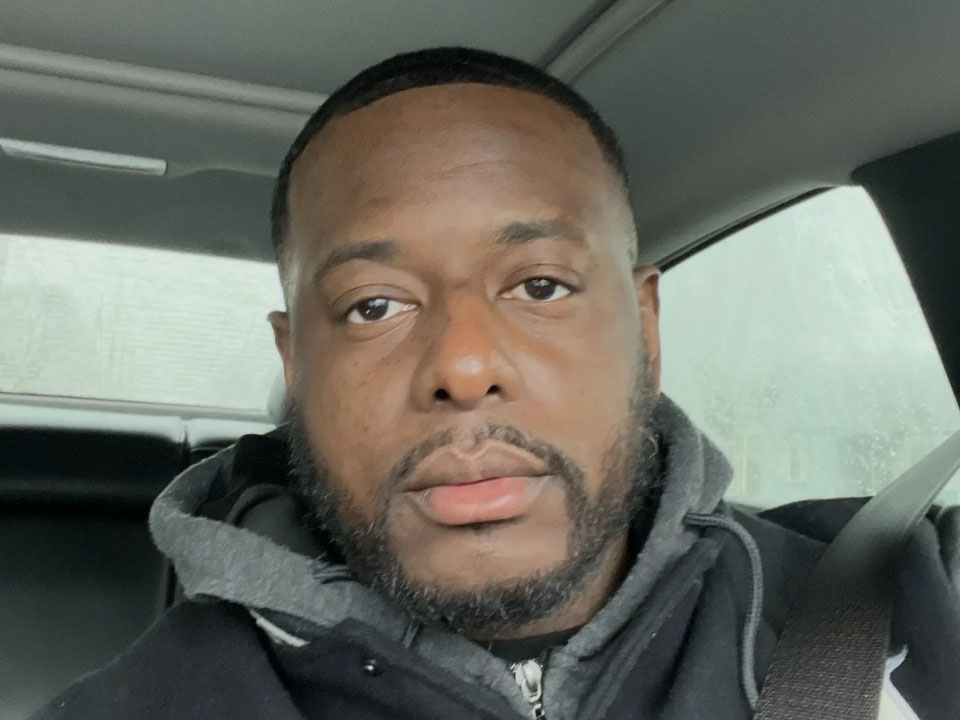
What was it like adjusting back to everyday life after 15 years away? Coming home was an adjustment in ways that people might not always understand. I had been away for so long that everyday things felt different. I remember driving for the first time after coming home. I had only been behind the wheel for about 15 minutes when I swerved a little because I was getting used to everything again. After about 20 minutes, it started feeling normal. Being able to drive wherever I wanted, ride a bike, go places, and experience that everyday freedom again made me appreciate things that I probably would not have thought twice about before. One of the strangest parts was seeing how much people and families had changed while I was gone. Sometimes I would see somebody's child who I remembered being three years old, and now they were 18. That was when it really hit me how much time had passed. It was not always about looking at my own life. Sometimes it was simply seeing how much everyone else had grown and realizing that I had a responsibility to make the most of the time I had ahead of me. I knew that once I came home, I needed to have a plan. I did not want to just come home and figure things out as I went. I believe that if you are trying to change your life, you need to start thinking about what you want to do before you get to that point. You need to have some kind of direction and something you are working toward.
When did you first realize that truck driving was the career you wanted to pursue? Truck driving was always something I had been interested in. I liked the idea of being able to work, travel, and build a career at the same time. When I had the opportunity to learn different skills, I originally signed up for carpentry and CDL training. I took carpentry first, and I appreciated what I learned, but I realized pretty quickly that I did not necessarily want to make a career out of it. I wanted to know how to fix things around my own house, but I did not want to spend every day fixing other people's houses. Driving was different. It was something I actually wanted to do. My cousin drives trucks hauling cars, and I also had a close friend who was a truck driver. I had people around me who understood the industry and encouraged me to keep going. I always remembered something my cousin told me about finding something you enjoy doing because it will not feel as much like work. That stuck with me. I wanted to find something I would not mind waking up and doing every day.
How did you start preparing for a career in truck driving? Before I started training, I had barely even been inside a truck. At Vocational Village, there was a truck available for students to look at, but it was just a bobtail without a trailer. Even sitting in the driver's seat, I remember thinking that the truck was huge. I had never driven anything like that, so there was definitely some intimidation there. But I knew I wanted to learn, and I knew that if I was serious about changing my life, I had to be willing to challenge myself. When I signed up for CDL training through Tri-Area Trucking, I knew it was something I wanted, but I also knew it was going to challenge me. Driving a truck is not something you can just pick up overnight. There is a lot that goes into it, from understanding the equipment to learning how to safely operate a large vehicle. I had to be willing to start from the beginning and learn something completely new.
What was your first day of CDL training like? My first day at Tri-Area Trucking is something I will always remember. My instructor, Bob, walked us through the truck, explained the pre-trip inspection, and then told somebody to get into the driver's seat. I remember thinking, wait, I am about to drive already? I had never driven a manual vehicle, never driven a truck, and never pulled a trailer before. I was nervous because I felt like I had no practice. I struggled with shifting and learning how everything worked together. There were days when I was frustrated and wondered if I had made the right decision. I even got to the point where I thought maybe I should just get my Class B license and stop trying to learn the bigger trucks because I was having such a hard time with the trailer.
What was the biggest challenge you faced while learning how to drive? Backing was probably the biggest challenge for me. Driving forward was one thing, but backing a trailer required a completely different skill set. There were days where I felt like I just could not figure it out. I wanted to understand it immediately, but it took repetition. Someone eventually showed me a simple way to look at the landing gear and use the V shape as a guide when backing, and something clicked. I started understanding what I was supposed to be looking at and how the trailer was going to move. That experience taught me something that has stayed with me. You are not going to know everything on the first day. Sometimes you have to keep doing something until it finally makes sense. The first day was difficult, the second day was difficult, and there were plenty of days after that where I still struggled. But every time I got behind the wheel, I learned something. Eventually, the things that felt impossible started becoming natural. There were definitely moments when I wanted to quit. When I get frustrated with something, I know myself, and I know I have to be careful not to let that frustration take over. I had to learn how to step back, calm down, and keep working instead of letting one difficult moment make me give up. Looking back, I am glad I did because graduating from Tri-Area meant much more to me than just getting my CDL.
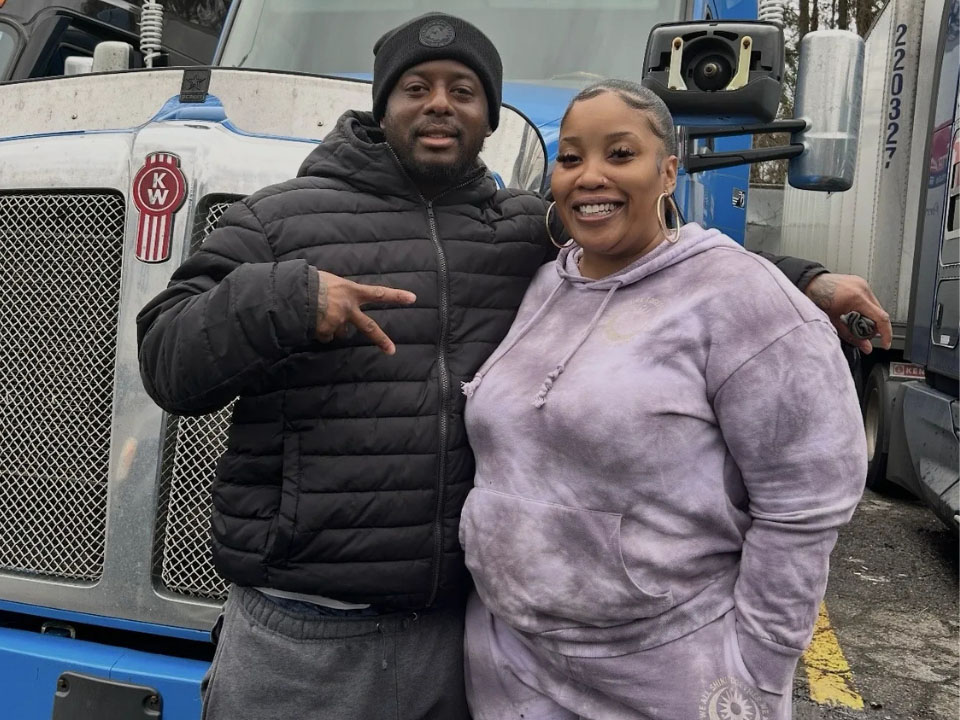
What did graduating from Tri-Area Trucking mean to you personally? When I finished the program and passed, I was extremely proud of myself. I remember leaving and actually crying. Real tears. I went home and cried even more. My wife did not even really understand what was going on at first, but I felt accomplished because I had actually done it. For me, graduating was about proving something to myself. I had spent 15 years away from home, came back, and decided that I was going to learn a skill and build a career. Then there were moments during training when I wanted to quit. I could have walked away, but I did not. I finished what I started. That feeling was bigger than getting a license. It was the feeling of knowing that I had set a goal and actually accomplished it. All those frustrating days, all the times I thought I could not do it, and all the times I wanted to stop were worth it because I finally made it through. I will always be grateful that I stayed with it. That one decision opened the door to a completely different future.
How did you transition from graduating the program into finding your first trucking job? After graduating, I had another obstacle to overcome. I needed somebody to give me my first opportunity. I knew that was not going to be easy because many trucking companies want experienced drivers. I also knew that my background could make things more difficult. I applied to different companies and had people turn me down. That was frustrating because I knew I had completed the training and had the ability to do the job. Sometimes people were honest with me and told me they could not move forward because of my background. I appreciated the honesty, even though it was difficult to hear. At least I knew where I stood. I could have used that as an excuse to stop trying, but I did not. I kept applying and kept looking. Eventually, I found a company that was willing to give me an opportunity. They took a chance on me, and once they did, I knew I had to prove that they made the right decision. I have been with them for about a year now, and that opportunity changed everything. I went from trying to find someone who would give me a chance to building actual experience, traveling across the country, supporting my family, and thinking about what I could accomplish next.
What was your first experience like working as a professional truck driver? When I first started, I did regional driving throughout places like Ohio, Kentucky, Indiana, and other nearby states. I wanted to eventually get out on the road, see more of the country, and take on longer trips, but I knew I had to put in the time and build my experience first. One of my first major long-distance trips took me through Nebraska, Minnesota, Detroit Lakes, and eventually Texas. That was one of the first moments where I realized how far this career could take me. After that, I started traveling even farther, driving through states like Arizona, Idaho, Oregon, Washington, California, Nevada, Montana, and Wyoming. One trip that really stands out was driving from Fort Wayne, Indiana, all the way to Phoenix, Arizona. After delivering there, I picked up another load and traveled to Boise, Idaho, spending time throughout the Northwest before eventually making my way back home. Being able to see different parts of the country while building a career was something I never expected. Starting out was not always easy. Every new driver has to gain experience and learn how to handle different roads, weather conditions, and situations. The first time I started driving through places I had never been, I was nervous, especially hearing stories about mountains, winter weather, and challenging roads. But over time, I learned that preparation, patience, and experience make a big difference. Looking back, it is amazing to think that I went from someone who had never driven a truck before to traveling across the country, delivering loads, and building confidence with every trip.
What has been one of your favorite parts of driving over the road? The biggest thing I enjoy is being able to see places I probably would have never visited otherwise. Truck driving has taken me all over the country and allowed me to experience different scenery and different parts of life. One trip that stands out was when I was offered a load going to Washington. I was in Savannah, Georgia, getting unloaded when I got the call. The pay was really good so I immediately said I was going. I did not even need to hear much more. Once I got out there, I realized the mountains were not nearly as intimidating as I had imagined. I do not know what they are like in the winter, but in regular conditions, it was beautiful. The job has given me the chance to see things from a completely different perspective. Instead of just driving from one place to another, I get to experience the country in a way many people never do.
What were some of the biggest lessons you learned during your first year driving? The biggest lesson truck driving taught me was patience and awareness. When you are behind the wheel of a truck, you have to pay attention to everything around you because small mistakes can turn into much bigger problems. The job is not just about knowing how to drive. It is about being aware of your surroundings, thinking ahead, and making decisions that keep yourself and everyone else safe. Truck drivers deal with traffic, other drivers, weather, difficult roads, delays, and all kinds of situations that can test your patience. You are going to get frustrated. That is just part of it. But you have to learn how to control your emotions and not let them affect the decisions you make behind the wheel. One thing truck drivers really do not like is when somebody is merging onto the highway at a much slower speed than the traffic around them. If I am already going 65 miles per hour and somebody gets on the highway going 45, I cannot just slam on the brakes. You have to either speed up and catch the flow of traffic or slow down and let the traffic pass until you have an opening. You have to be aware of what is happening around you. That awareness applies to everything. Looking back at the mistakes I made during my first year, I know that if I had slowed down, looked more carefully, and taken more time, I could have prevented some of them. That is one of the biggest things this career has taught me: pay attention. You can prevent a lot of problems just by looking, thinking ahead, and not rushing.
Can you talk about some of the challenges you faced early on in your trucking career and what those experiences taught you? The first year definitely came with some rookie mistakes, but those experiences taught me some of the most important lessons in my career. One of the first major mistakes I made was damaging the back of my trailer in Ohio. I was still new and ended up jackknifing, which damaged the right side of the trailer. My first thought was that I had lost my job because I had worked so hard to get to that point. When I returned to the yard, I was nervous to tell them what happened, but they handled it differently than I expected. They fixed it, and I realized that making a mistake did not mean everything was over. It was a chance to learn. Later, I damaged the other side of the trailer while I was in Arizona. This time, instead of being afraid, I went directly to HR, explained what happened, and offered to take responsibility for the damage. I even offered to have money taken out of my check because I felt it was the right thing to do. They respected that because they said they did not usually see people take accountability like that. For me, it was about understanding that if someone trusts you with their equipment, you have a responsibility to take care of it. If you make a mistake, you own it, learn from it, and move forward. Another big challenge was my first time driving through Chicago. The low bridges, tight streets, and constant decision-making made it stressful. At one point, I came across a bridge listed at 13.6 feet, which was exactly the height of my trailer. I stopped and called the person who trained me. He explained that I could safely make it through if I went slowly, and I trusted his advice. I made it through, and experiences like that helped build my confidence. I also had a situation where I hit a pole that I could not see while turning. It became stuck underneath the trailer, and I thought for sure I was going to lose my job. I worked carefully to get the truck unstuck and then called HR to explain exactly what happened. Once again, I was honest and took responsibility. Those experiences taught me that mistakes do not define you. What matters is how you respond afterward. Truck driving has taught me to slow down, pay attention, and think things through. It has also taught me patience because not everything is within your control. The biggest lesson I have learned is that growth comes from experience. You are not going to know everything on your first day. You learn by doing, making mistakes, and continuing to improve.
What has been the biggest change in your mindset since coming home? The biggest change has been growing up and realizing what actually matters. I went away when I was 20, and I came home at 35. You cannot go through 15 years of life without changing. I am not the same person I was when I went in. When I was younger, I cared about different things. I had anger, I had things I wanted to prove, and I thought differently about certain situations. But as I got older, my priorities changed. I started thinking about my wife, my kids, my family, and the kind of life I wanted to have. I did not want to go back to the same mindset that got me into trouble before. Before I came home, I remember thinking about certain people and certain situations and being angry about things that had happened. But eventually, I realized I did not care about any of that anymore. I got to a point where I was just thinking, stay out of my lane, I will stay out of yours. I do not care what you are doing. As long as my family is okay, I am okay. That is where I am now. I am in a completely different space mentally and emotionally. I have worked too hard to build this life to let somebody else take me back to where I used to be.
Was there a moment when you realized just how much you had changed? There was a situation when I was training another driver that really showed me how much I had changed. He was from the same city as me, and I was trying to teach him what I had learned. I was telling him that he had to pay attention and that he could not drive distracted. He was reaching around, grabbing things, looking away, and doing things that were dangerous when you are driving a truck. I kept correcting him because I knew how serious it was. You cannot drive a truck like that. You have to be aware of everything around you because you are responsible for a large vehicle and everybody else on the road. We started going back and forth because he was not taking the criticism well, and eventually I realized the situation was getting to a point where I needed to remove myself. The old me might have reacted differently. I might have let my emotions take over and allowed the situation to become something much worse. Instead, I told myself that I could not let somebody else's emotions control mine. I had worked too hard to get to where I was mentally and emotionally. I called my dispatcher and said, "Listen, you have to send me back to Michigan because this situation is not worth me losing everything I have worked for." I knew that if I stayed in that situation while I was angry, nothing good was going to come from it. Walking away was the best decision I could make. That was a big moment for me because I realized that I had actually changed. I was able to recognize my emotions, understand where the situation was going, and remove myself before it became something bigger. That is not something I would have necessarily done when I was younger.
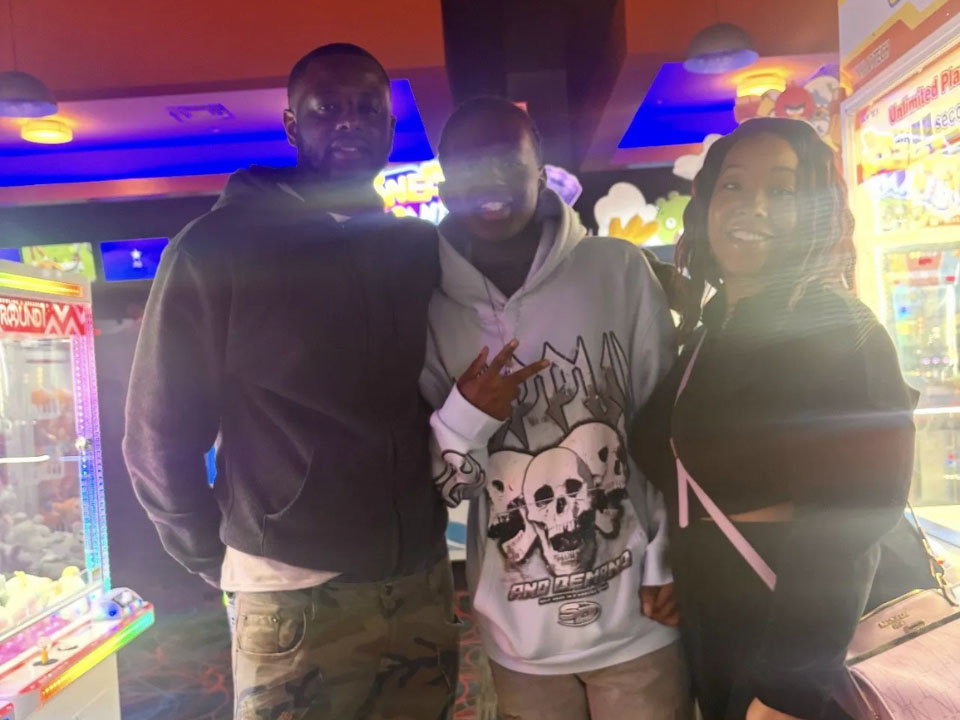
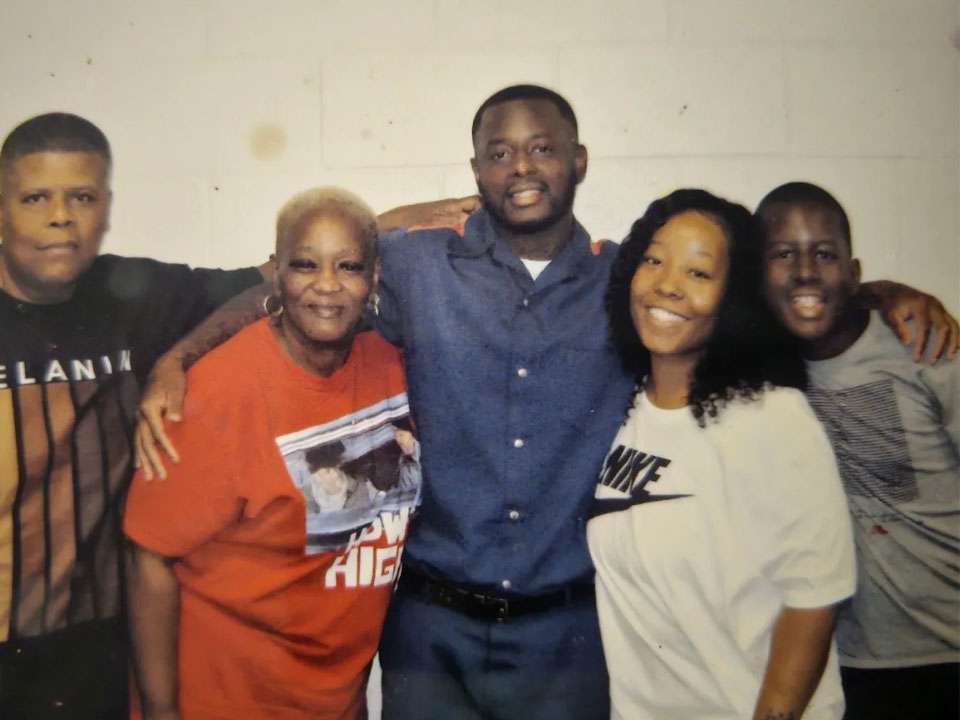
Who has helped you stay on this path? My family is my biggest motivation. I always wanted to do something different with my life, and I knew I could not give up. I want my mom to be proud of me, and I want my wife and kids to be proud of me too. My cousin and one of my close friends were two people who really pushed me during CDL training. There were times when I wanted to quit. I was frustrated and ready to say forget this, I am done. They would tell me not to do it. They kept telling me to finish. There were times when I was so frustrated that I would call them and basically tell them I was done. I remember getting on the phone with one of them and being angry, telling him he did not understand how I was feeling. He let me get it out, and then he still told me not to quit. Looking back, I am glad he did because I needed somebody who was willing to tell me what I needed to hear instead of just letting me walk away. My wife has also been a huge supporter. She has always encouraged me to make the right decision and keep moving forward. Once I got the job and started making more money, it showed me that everything I had worked through was actually leading somewhere. I was still with the same people I loved, but now I was able to provide more for them and build something better.
How do you balance being an over-the-road driver with being a husband and father? My family is the biggest reason I keep going. When I am home, I really just want to be around them. I do not need to go out and do a bunch of things. I have been away from home, so when I get home, I want to be in the house with my family. I mess with my kids, joke around with them, play games, bother my wife, and just enjoy being around everybody. That is really what I like doing when I am home. I am not trying to go to clubs or get into trouble. I am good with being at home. Because I am gone for work, I appreciate that time even more. Usually, I am away for two to three weeks at a time. Sometimes I might stay out longer depending on the opportunity. The longest I have been out was around 27 days, although normally I try to keep it around two to three weeks. Sometimes I will even bring one of my kids with me. I have had my son with me, and I have taken one of my daughters with me too. It gives them a chance to see what I do and experience some of the places I get to travel. When I am home, I just want to spend that time with them because I know I am going to have to leave again.
What is life like when you are out on the road for weeks at a time? It becomes a routine. You have to get used to being away from home and managing your time. Depending on where I am going, I might drive for several hours each day, stop when I need to, sleep, and get back on the road. There are limits to how long I can drive, so I have to plan around that. I cannot drive over my allowed hours just because I want to get somewhere faster. Sometimes I will drive 10 hours in a day even though I could technically drive longer because I know I have another day of driving ahead of me. It is about managing your time and making sure you get there safely. Sometimes I will stop at a truck stop for a reset. I might stay there for a couple of days, play my game, watch TV, and just relax. I play Warzone a lot. When I am out on the road, those quiet periods give me a chance to recharge before I get back to work. It is definitely a different lifestyle, but I have learned to enjoy parts of it. I get to travel, I get to see different places, and I know that I am doing something that provides for my family.
What does your future look like now that you have built experience as a truck driver? Eventually, I would like to own my own trucking company. I would probably start with one truck and build from there. I understand that owning a company comes with a lot of responsibility, especially when you start putting other drivers behind the wheel of equipment that you paid for. You might take care of your truck, but that does not necessarily mean the next person will. If you have five trucks and five people driving them, you are trusting those people with something that can make or break your business. One person not taking care of the equipment or not doing what they are supposed to do could cost you a lot of money. That is why I want to gain as much experience as possible before I take that step. I want to understand the industry, understand the business side, and make sure I have the right people around me. I have also thought about having my wife get her broker's license. That way, I could focus on driving and eventually running the trucking company while she could handle the brokerage side. We could work together and bring more income into our household. The goal is not just to have a company. I want to build something that creates more opportunities for my family. I also want to buy houses and eventually have different sources of income. I have bigger goals now because I know what is possible when you stay committed.
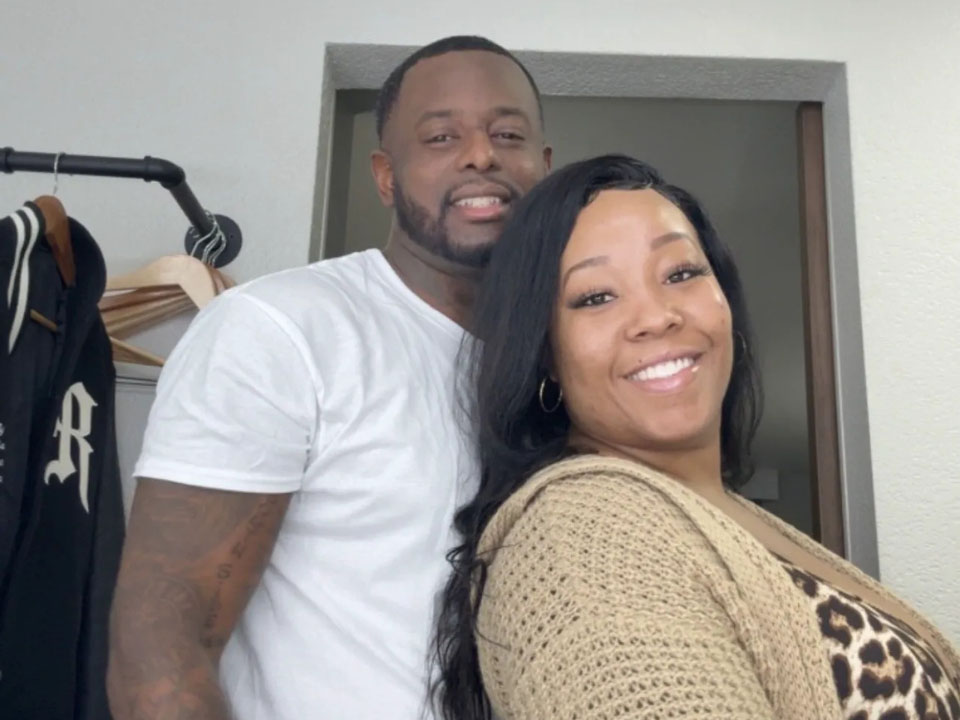
What would you tell someone who is preparing to come home from prison and wants to change their life? I would tell them that they need to start figuring it out before they even get out. You cannot wait until you are home and then decide what you are going to do. You need to have some kind of mindset and some kind of plan before you get there. You have to ask yourself what you like doing, what you are good at, and what you would not mind waking up and doing every day. You have to find that balance. You are not going to love every part of a job, but you should be able to look at it and say, I can do this every day. I can build something with this. You also have to stay grounded and disciplined. It is easy to talk about changing your life. It is much harder to actually follow through when things get difficult. You have to decide whether you are really going to do it or whether you are just going to talk about it. If you are still in prison, start thinking about it now. Figure out what you want to do. Learn something. Find a skill. Think about what kind of life you want when you come home. That way, when the opportunity comes, you are ready to take advantage of it.
Did your past ever make you feel like certain opportunities were impossible? Absolutely. A lot of companies turned me down because of my background. My record is not pretty. There are things on there that I am not proud of, and I know that some companies are going to look at that before they ever look at anything else. But I do not want to hear that it means you cannot change your life. I have a record, and I still have a job. I am still making a living. I have a mortgage. I have a wife and children. I am out here working and taking care of my family. There were companies that told me no, but eventually somebody said yes. My current company took a chance on me. They gave me an opportunity to prove myself, and I have been there for about a year now. Once somebody gives you that opportunity, you have to take advantage of it. That is what I would tell anybody who is coming home. Your record might make your journey harder. I am not going to sit here and tell you that it will not. Some companies might turn you down. But that does not mean every company will. You have to keep looking. You have to keep pushing. You have to find the person who is willing to give you that chance.
Looking back, what are you most proud of? I am most proud that I actually followed through. There were so many points where I could have quit. I could have decided that CDL training was too difficult. I could have walked away when I was frustrated with backing. I could have stopped applying after companies turned me down. I could have let my past become an excuse. But I did not. When I graduated from Tri-Area, I cried because I knew what it represented. It was not just about getting my CDL. It represented everything that had happened before that moment and everything I had worked through to get there. I had spent 15 years in prison, came home, chose a different direction, learned a completely new skill, and actually finished what I started. That feeling of accomplishment meant a lot to me because I knew how easy it would have been to give up. Instead, I kept going. Now I am driving across the country, providing for my family, and thinking about owning my own company one day. I am proud of the person I have become.
What would you like people to take away from your story? I want people to understand that anything can happen if you are really willing to do the work. You really can change your life. You can get on the straight and narrow. You can build something different. I spent 15 years in prison. That is a huge part of my story, and I cannot change what happened before. But I also cannot let those 15 years determine what the rest of my life is going to look like. I came home with a choice. I could go back to the same things, or I could do something different. I chose different. That does not mean everything was easy. It was not. I had companies turn me down. I struggled through training. I made mistakes as a new driver. I got frustrated. There were plenty of moments when I could have stopped. But every time something happened, I had to decide whether I was going to let it stop me or whether I was going to learn from it and keep moving. I want people to know that your past does not have to be the end of your story. You might have made mistakes. You might have done things you are not proud of. You might have people who look at you and only see what you did in the past. But you know what you are capable of becoming. If you really want to change, you have to be dedicated. You have to stay disciplined. You have to take accountability when you mess up. You have to keep looking for opportunities even when people tell you no. Most importantly, you have to actually follow through. I have a family. I have a career. I have a home. I have goals for the future. I am still working toward everything I want, but I am moving forward. That is what matters to me.
What does this next chapter mean to you? It means I get to keep building. I spent a lot of years with my life going in a completely different direction, and now I have the opportunity to decide where I want to go from here. I want to continue being there for my family. I want to become a better driver, gain more experience, eventually own my own trucking company, and create more opportunities for the people around me. I want my kids to see that you can make mistakes, go through hard things, and still choose to become better. I also want to be able to give back. If somebody is coming through Tri-Area Trucking or trying to figure out what they want to do after prison, I want them to know that I am willing to talk to them. I have already gone through the process of trying to figure out what comes next, struggling through training, looking for a job, and proving myself. If I can help somebody else see that there is another way, then I want to do that. I know what it feels like to be at a point where you do not know exactly how everything is going to work out. But I also know what it feels like to keep going and eventually look back and realize you actually did it. That is why I am always willing to come back and talk to the students at Tri-Area. That school gave me an opportunity when I needed one, and I will always appreciate that. I was once the person sitting there wondering if I could really do this. Now I am the person who can tell somebody else, you can do it too. You just have to keep going.
Fifteen years in prison is a significant part of my story, but it does not have to define the rest of my life. I cannot change the decisions I made when I was younger or get those years back. What I can control is what I do with the time I have now.
Coming home gave me the opportunity to start over. I had to decide what kind of person I wanted to be and what kind of future I wanted to build. I chose to focus on my family, find a career, and create a life I could be proud of. Truck driving became a major part of that journey, giving me a career I enjoy and a way to provide for my family.
The road has not always been easy. I have made mistakes, faced rejection, and dealt with moments when I wanted to quit. But every challenge taught me something. I learned to take accountability, be patient, and control my emotions. Most importantly, I learned that one difficult moment does not have to determine what happens next.
Today, I am proud of how far I have come. I have a career, a home, a wife and kids, and goals I am still working toward, including one day owning my own trucking company.
I also want other people to know that change is possible. Your past might make your journey harder, and there may be people who judge you because of where you came from, but that does not mean you have to give up. You have to keep looking for opportunities, keep learning, and keep pushing forward. Eventually, somebody may give you the chance you have been waiting for. When they do, you have to be ready to prove what you can do with it.
I spent 15 years away from the life I have today. I cannot change that, but I can make sure that the years ahead look different. I am not focused on who I used to be. I am focused on who I am becoming, the family I am building, and everything that is still ahead of me.
If there is one thing I want people to take from my story, it is simple: you really can change your life. You just have to decide that you are ready, stay dedicated, and keep moving forward.
— Glen Rogers
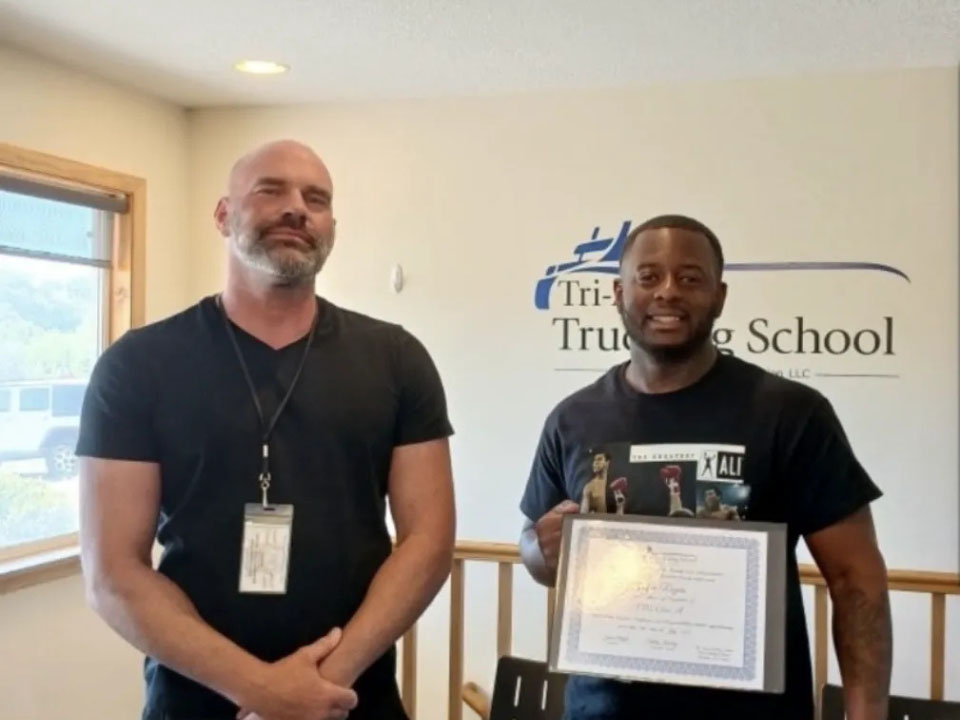
Glen’s journey is a powerful example of how life can change when someone is willing to take accountability, learn from the past, and work toward something better. From rebuilding his life after 15 years in prison to finding purpose and success as a professional truck driver, Glen has shown that where someone starts does not have to determine where they end up.
His story is a reminder that second chances are possible and that growth comes from the choices we make every day. Through hard work, determination, and a commitment to his family and future, Glen continues to build a life he can be proud of while showing others that change is possible.