Learn the differences between Class-A and Class-B commercial drivers licenses to find out which training program is the right fit for you.
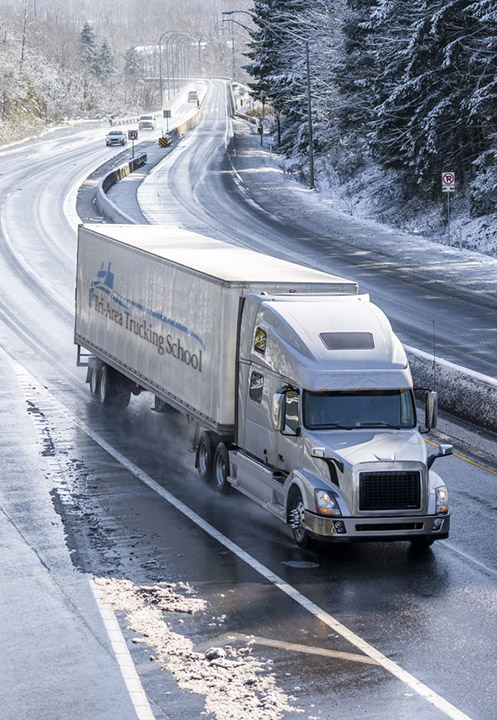
The Class A CDL License allows drivers to operate any combination of vehicles with a GVWR of 26,001 or more pounds provided the GVWR of the vehicle(s) being towed is over 10,000 GVWR. Vehicles requiring a Class A CDL license are primarily tractor-trailers driving long distances.
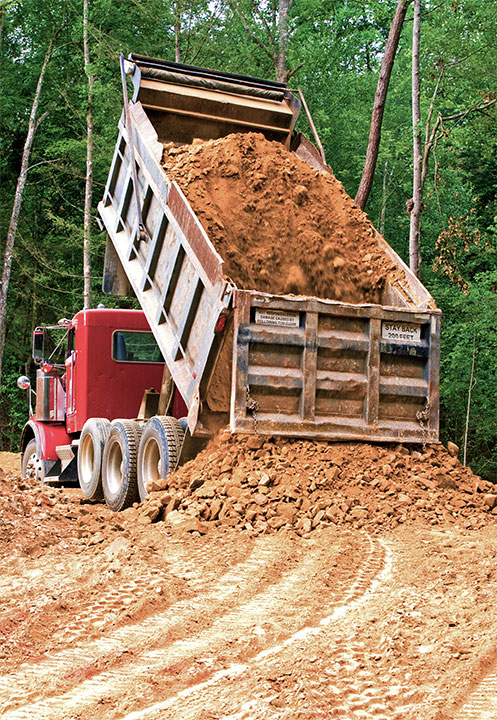
The CDL-B license allows drivers to operate vehicles with a GVWR of greater than 26,001 lbs or to haul a trailer of less than 10,000 GVWR. Vehicles requiring a Class B license are primarily a straight truck, such as dump trucks or flatbed towing vehicles. Students who enroll in the CDL-B course may elect to study either automatic and manual transmission.
Different types of cargo require different types of CDL endorsements.
Tri-Area Trucking School's four-week training course is designed to prepare students to safely demonstrate the maneuvers and skills necessary to pass the Class-A CDL test.
Week One focuses on Entry-Level Driver Training (ELDT) theory through a live virtual classroom. Students learn the safety standards, regulations, and responsibilities required to operate a commercial motor vehicle (CMV) through instructor-led lessons, discussions, exercises, and quizzes.
Topics covered in Week One include:
The program begins in the classroom. Students take part in classroom lectures and interactive presentations during the first week of school. The in-person classroom training prepares students to take the commercial driving permit test and begin the driving skill portion of the training. The program also covers theory during this period, where legalities and rules governing our roads and equipment are taught and discussed.
Students will prepare for:
Weeks Three and Four focus on hands-on training with an experienced instructor. Students practice the skills learned during the virtual classroom portion while operating a commercial motor vehicle in both range and public road environments.
Training includes:
Students must have a valid Michigan driver's license and be at least 18 years old. Students should be advised that seeking employment in the transportation industry may be difficult if any of the following incidents apply:
Tri-Area Trucking School provides students the option to pay half of the tuition cost up front, while financing the other half through our payment plan program. The program offers accessibility for our students with no credit check required.
Tri-Area Trucking School is approved by Michigan Works for Vocational Training Grants. Students who participate in the Michigan Works program can take our truck driving training for little or no cost. For more information, follow the links below.
Class A Course Class B Course